🇵🇰 Pakistan International Airlines (PIA): From Pride of the Nation to Privatization.


Introduction
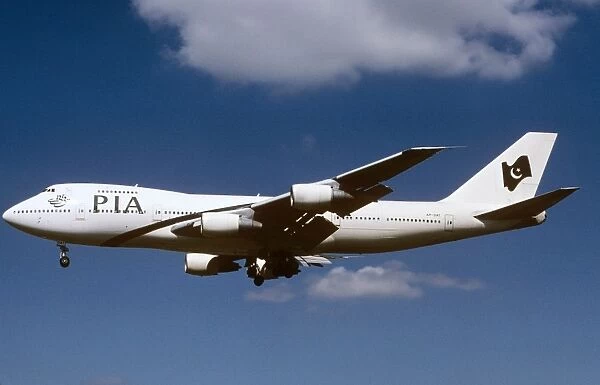
For decades, Pakistan International Airlines (PIA) symbolized national pride, aviation excellence, and global connectivity. Once ranked among the world’s leading airlines, PIA today stands at a crossroads—burdened by debt, operational challenges, and a controversial privatization process that has drawn nationwide attention.
This article traces PIA’s journey from its historic beginnings to its current status, including fleet strength, route network, financial position, and the privatization process involving the Arif Habib Group—with accurate, verified information.
✈️ Historical Background
Foundation
PIA traces its roots to Orient Airways, founded in 1946
Became Pakistan International Airlines in 1955
PIA was Asia’s first airline to operate a jet aircraft (Boeing 707) in 1960
Golden Era (1960s–1980s)
During this period:
PIA was a global aviation trendsetter
Helped establish airlines in:
Emirates (UAE)
Singapore Airlines
Air Malta
📊 Fleet Strength: Then vs Now
At Inception (1955–1960)
8–10 aircraft
Included:
Douglas DC-3
Lockheed Constellation
Peak Fleet Size (1990s)
~45 aircraft
Included:
Boeing 747
Airbus A300
Boeing 737
Operated long-haul, regional, and domestic routes extensively
Recent Years (2020–2022)
Fleet reduced to ~30 aircraft
Due to:
Financial constraints
Maintenance issues
International bans
Current Functional Fleet (2024–2025)
Approximately 18–20 aircraft
Mostly:
Airbus A320
Boeing 777 (limited operations)
Several aircraft grounded due to:
Lack of spare parts
Overdue maintenance
Funding shortages
🌍 International Network
Peak Operations
Flights to over 40 countries
Major destinations:
UK
USA
Europe
Middle East
Far East
Current Operations
Active routes in ~15–18 countries
Mainly:
Middle East
Limited Europe
China
Domestic Pakistan
❗ EU Ban Impact
EU aviation ban (2020–2023) severely damaged:
Revenue
Reputation
International footprint
Partial lifting has occurred, but operations remain limited
💰 Financial Position
Current Revenue
Annual revenue: PKR 150–170 billion (approx.)
Despite revenue:
Operating losses persist
Debt & Liabilities
Total liabilities: PKR 800+ billion
Includes:
Government loans
Fuel payments
Staff pensions
⚠️ Why Was PIA Put Up for Privatization?
The government’s decision was driven by:
Chronic financial losses
Overstaffing
~14,000 employees
One of the highest employee-to-aircraft ratios globally
Political interference
Outdated management systems
Grounded fleet & declining service quality
Repeated government bailouts
➡️ Since 2008, PIA has required continuous taxpayer funding
🏛️ Privatization & Auction Process
Government Decision
Approved privatization under IMF-linked reforms
Objective:
Reduce fiscal burden
Improve efficiency
Attract private management
Arif Habib Group’s Role
Arif Habib Group emerged as the highest bidder in the government-approved bidding process
Bid relates to:
Majority stake / management control
⚠️ Important Clarification
The process is subject to regulatory approvals
Final transfer requires:
Cabinet approval
Legal & aviation authority clearance
👉 PIA is not yet fully transferred, but the auction outcome marks a historic turning point
🔮 What Happens Next?
If privatization is finalized:
Fleet modernization expected
Route expansion likely
Staff rationalization unavoidable
Focus on profitability & service standards
If delayed or reversed:
Financial pressure on government continues
Risk of further fleet grounding
📝 Conclusion
PIA’s story is one of extraordinary rise and painful decline. From leading global aviation to struggling for survival, the airline reflects decades of mismanagement, political interference, and missed reforms.
The proposed privatization—potentially led by the Arif Habib Group—represents one last opportunity to save Pakistan’s national carrier. Whether this transition restores PIA’s lost glory or marks the end of an era will depend entirely on transparent execution and professional management.
Comments
Post a Comment